Established 1989 · Kabul, Afghanistan
With over 35 years of experience, APWO delivers transformative humanitarian and development programs across 17 provinces of Afghanistan — empowering communities, protecting the vulnerable, and building a resilient, prosperous future for all.
Established in 1989, the Afghan Public Welfare Organization (APWO) is a distinguished non-governmental, non-political, and non-profit entity devoted to transforming lives and promoting sustainable development across Afghanistan. Over the past three and a half decades, APWO has grown from a community-based initiative into a nationally recognized organization.
Anchored in a profound belief in the resilience and potential of the Afghan people, APWO implements wide-ranging initiatives designed to uplift marginalized communities, deliver critical humanitarian aid, and advance peace and prosperity across 17 provinces.
APWO's impact is reinforced by enduring partnerships with internationally renowned organizations, including UN agencies such as UNHCR, WFP, FAO, UNOPS, and UNICEF, as well as international NGOs including JVC, Peace Winds Japan, AAR Japan, AWEC, and Search for Common Ground (SFCG).
A resilient Afghanistan where every individual has equitable access to essential services, education, and economic opportunities, thriving in inclusive and sustainable communities. By championing inclusivity, equity, and environmental stewardship, APWO aspires to be a catalyst for lasting change and a beacon of hope for the nation's future.
APWO is committed to uplifting the lives of Afghanistan's most marginalized communities. Through collaborative partnerships and innovative solutions, we deliver immediate humanitarian relief in times of crisis while empowering men and women to thrive through sustainable development initiatives. Guided by compassion, we foster resilience, dignity, and hope for all.
To uplift Afghanistan's most vulnerable communities, with particular emphasis on empowering women and girls. Providing timely humanitarian aid, delivering emergency relief, implementing long-term development projects, advocating for gender equality, and building collaborative community-centered partnerships for a more equitable Afghanistan.
APWO's strategic objectives guide the organization's interventions and programmatic approach across all sectors of operation.
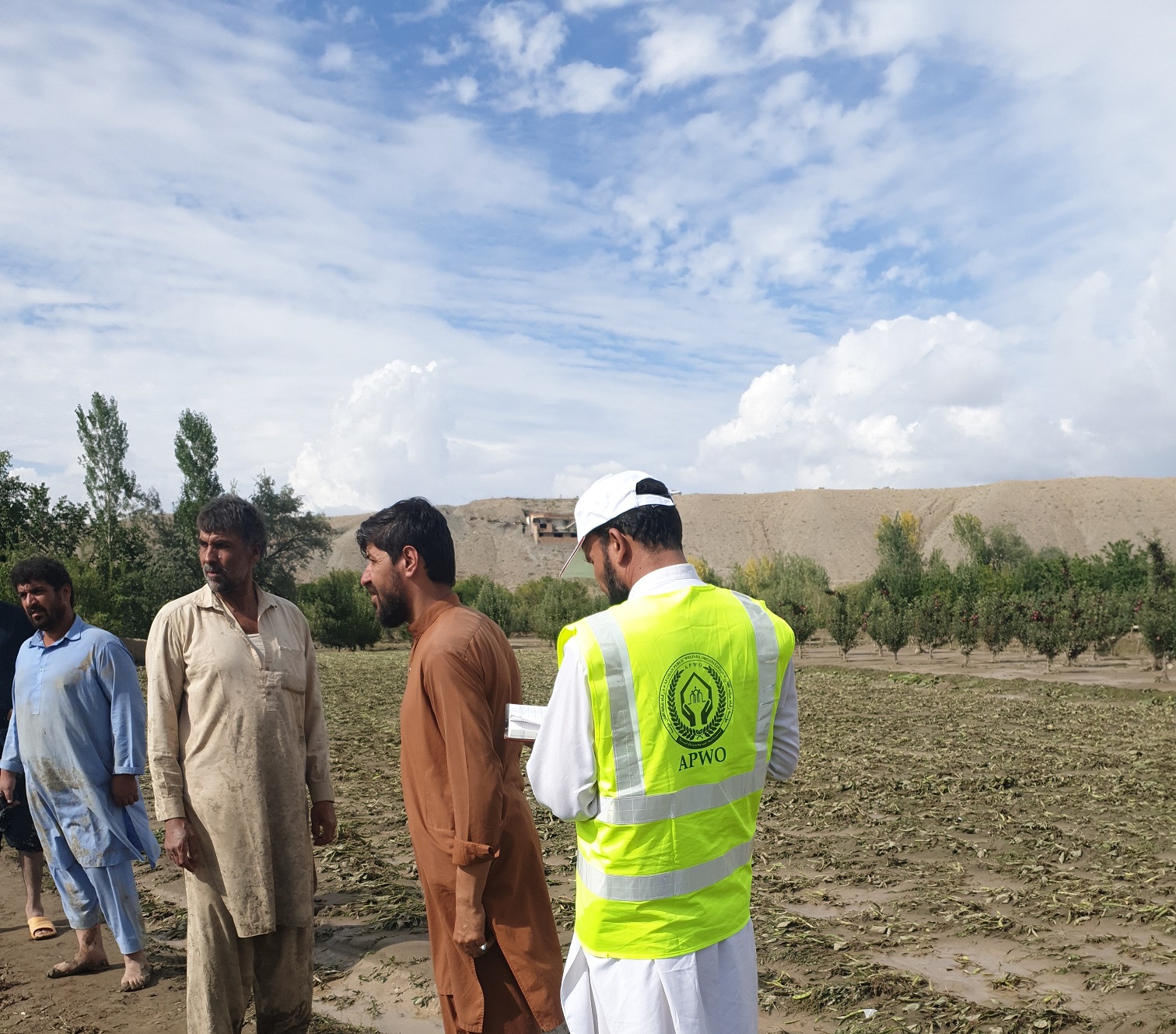
Provide timely humanitarian aid and protection to vulnerable populations affected by conflict, displacement, or natural disasters, ensuring their safety, dignity, and well-being through coordinated emergency response and recovery programs.
Empower communities through participatory development approaches, fostering local ownership and leadership in addressing social, economic, and environmental challenges while promoting sustainable and inclusive development outcomes.
Promote sustainable livelihoods by creating economic opportunities, providing entrepreneurship training, and facilitating access to productive resources, enabling communities to achieve self-reliance and long-term resilience.
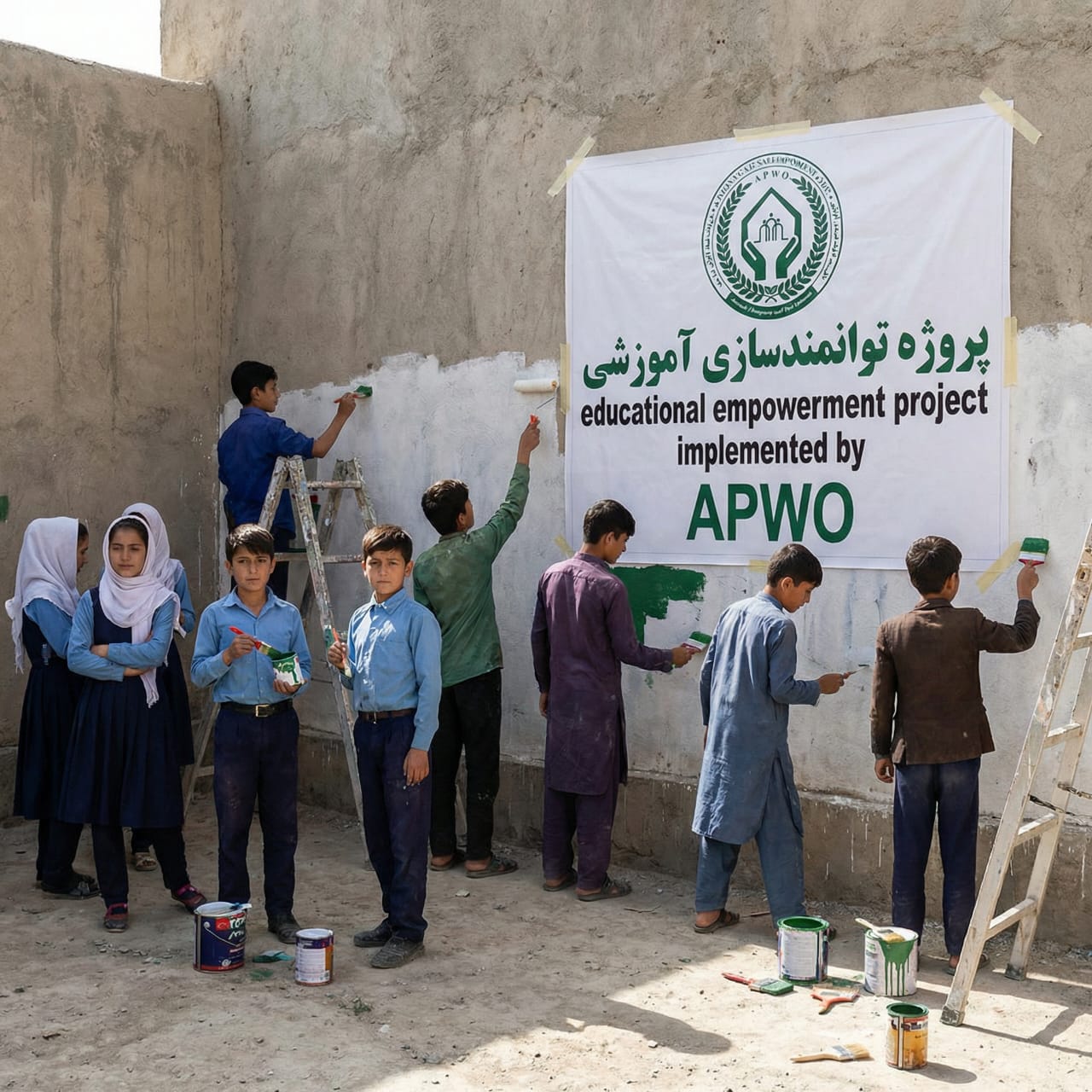
Enhance access to quality education and vocational training, empowering individuals with the knowledge and skills needed for personal growth, professional development, and meaningful contribution to their communities.
Promote gender equality by ensuring women and girls have equal access to education, healthcare, economic opportunities, and decision-making processes, fostering their full and active participation in all aspects of community life.
Improve access to quality healthcare and nutrition services, particularly for women, children, and underserved populations in remote areas, contributing to the reduction of preventable diseases and malnutrition.
Integrate environmental sustainability principles across all programs, promoting climate-smart practices, natural resource management, and community-based disaster risk reduction to build resilient communities.
At APWO, our core values serve as the foundation of our organization, guiding our actions, decisions, and interactions with unwavering integrity and compassion.
APWO implements programs across seven interconnected sectors, each guided by specific strategic objectives and evidence-based approaches.
Agriculture & Rural Development
Afghanistan's economy is heavily dependent on agriculture, which remains the primary source of livelihood for the majority of the rural population. APWO addresses challenges through comprehensive agriculture and rural development programming targeting unemployed men, women, and youth.
Women's Empowerment
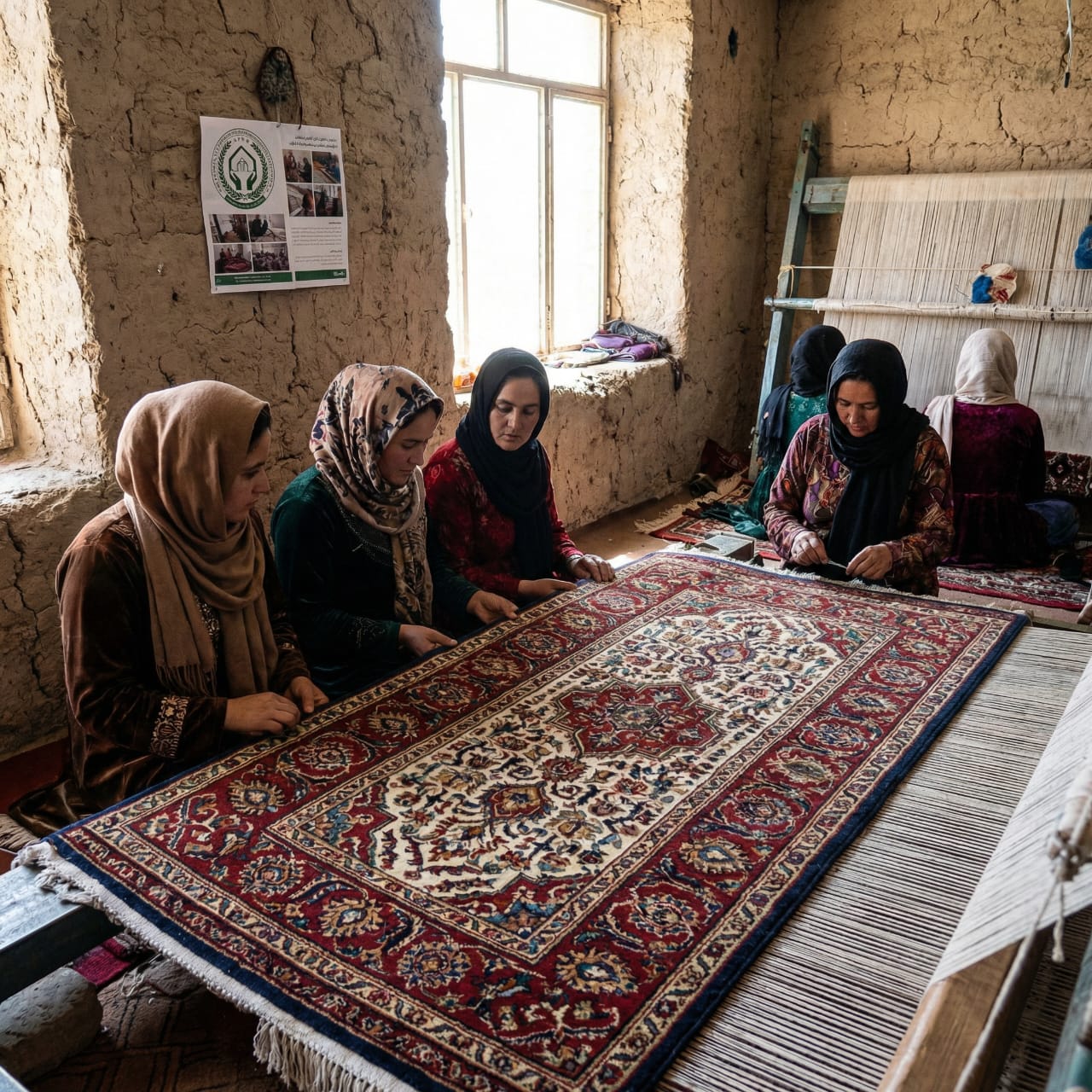
APWO is firmly committed to promoting gender equality and empowering women and girls across all sectors. Recognizing disproportionate barriers, APWO implements targeted initiatives to address these inequalities and integrates gender mainstreaming across all programs.
Health & Nutrition
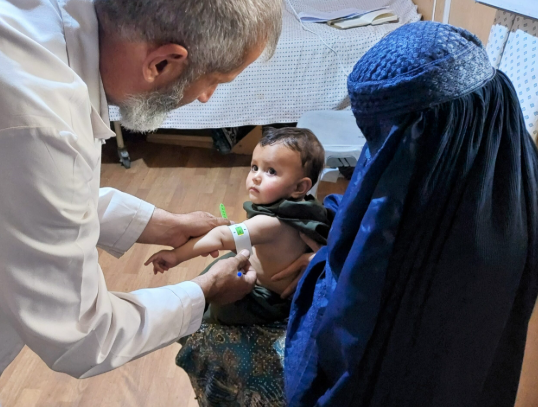
Afghanistan faces critical challenges in health service delivery. Geographic isolation, shortage of trained professionals, and instability have constrained access to quality healthcare. APWO expands health services to hard-to-reach areas through innovative community-based interventions.
Education
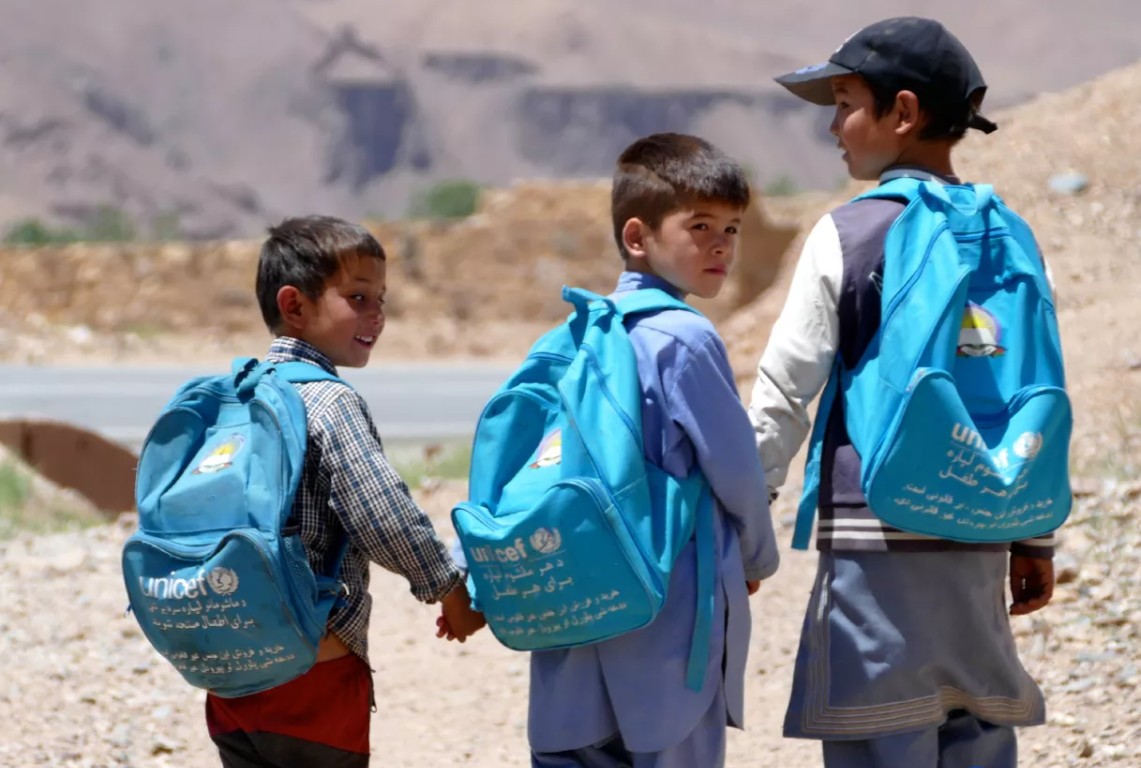
Millions of children, particularly girls, remain out of school due to insecurity, poverty, and cultural barriers. APWO addresses education challenges through formal support and non-formal programming, targeting children and adult learners equally.
WASH
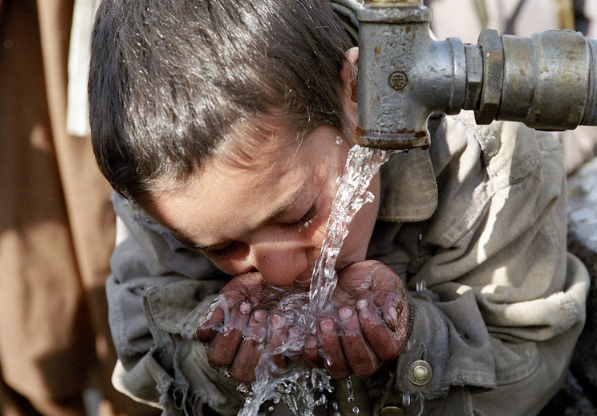
Diarrheal diseases remain a leading cause of death among children under five, largely due to inadequate access to safe water and sanitation. APWO works toward Open Defecation Free communities and sustainable water infrastructure across Afghanistan.
Protection
Prolonged conflict, displacement crises, and deep-rooted societal challenges create significant protection concerns for women, children, persons with disabilities, and marginalized communities. APWO implements comprehensive protection programming addressing root causes of vulnerability.
Food Security & Nutrition
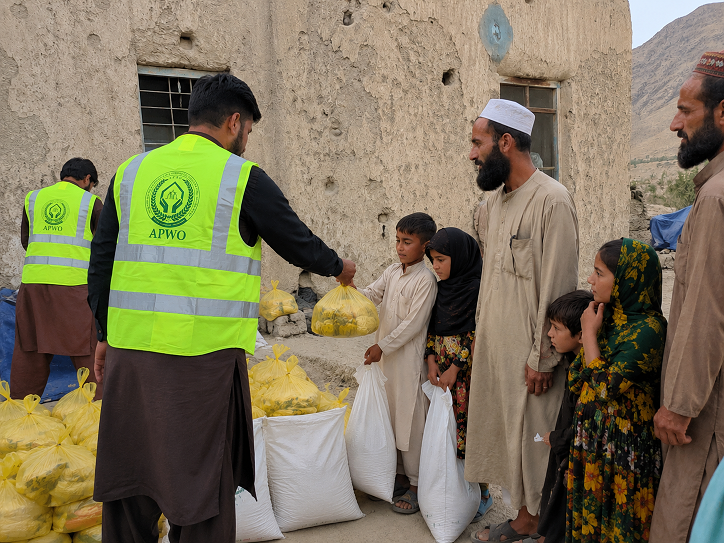
Afghanistan faces chronic food insecurity and high malnutrition rates, exacerbated by natural disasters, ongoing conflict, poverty, and climate change. APWO addresses these challenges through both emergency response and long-term sustainable programming.
APWO's ability to deliver impactful, high-quality programs is underpinned by the following organizational strengths and systems.
APWO maintains a team of qualified professionals across all programmatic and operational functions, with expertise in humanitarian response, development programming, and project management.
The organization operates under a robust framework of internal policies and SOPs covering human resources, finance, procurement, safeguarding, and program management.
Effective internal communication channels and external coordination mechanisms, including regular participation in humanitarian cluster meetings and inter-agency forums.
Regular internal audits ensure compliance with organizational policies, donor requirements, and financial regulations, enhancing accountability and transparency.
A dedicated Monitoring, Evaluation, Accountability, and Learning system tracks program progress, measures impact, ensures accountability to beneficiaries, and captures lessons learned.
With over 35 years of presence, APWO has cultivated deep relationships with local communities, authorities, and stakeholders across 17 provinces, ensuring strong community access and trust.
Established financial management systems ensure responsible stewardship of donor funds, accurate financial reporting, and compliance with applicable regulations and standards.
APWO employs information management systems for program planning, data collection, beneficiary tracking, and performance monitoring, supporting evidence-based decision-making.
APWO's ability to implement programs across seven interconnected sectors enables integrated, holistic responses addressing the complex and interrelated needs of Afghan communities.
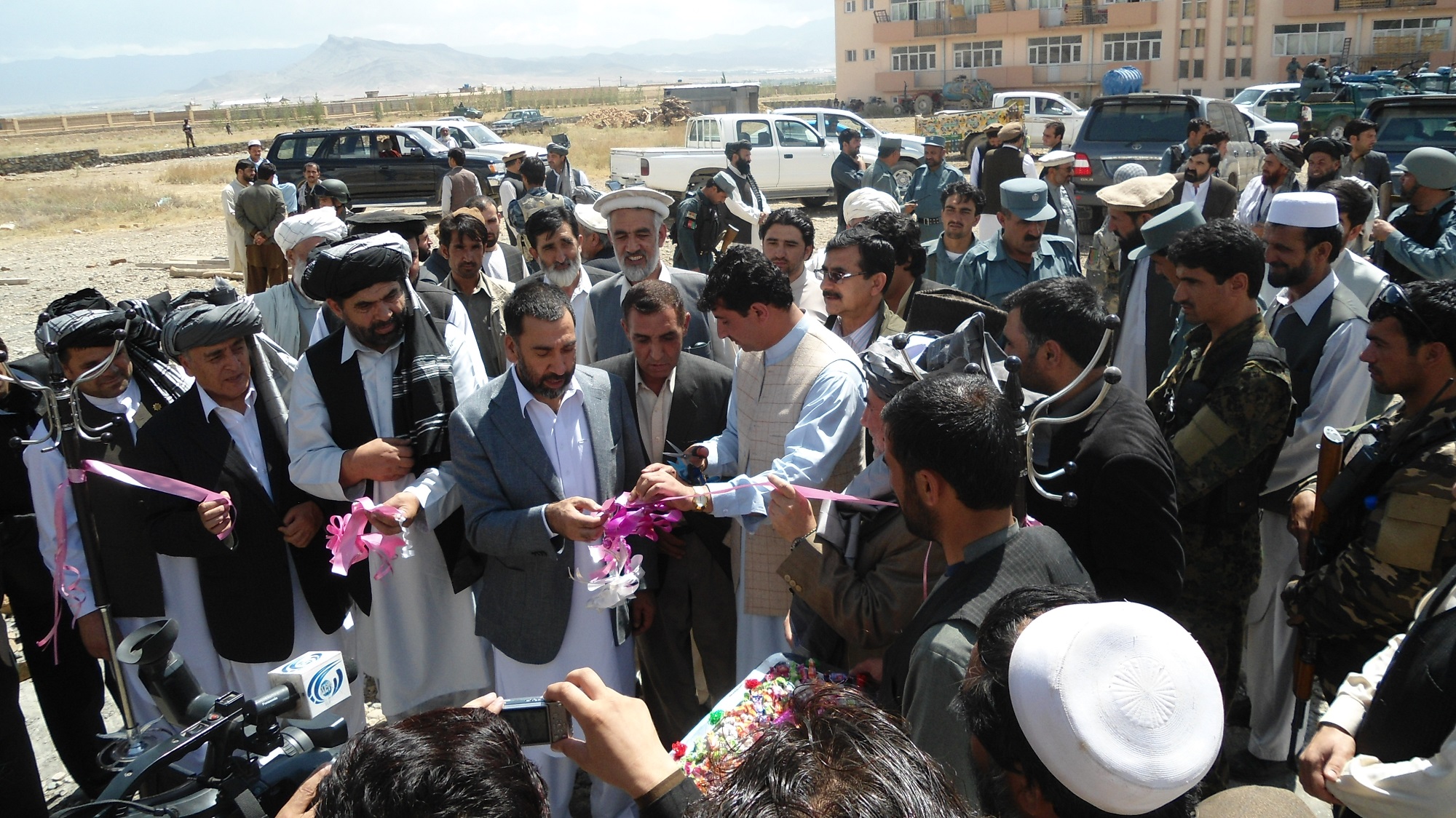
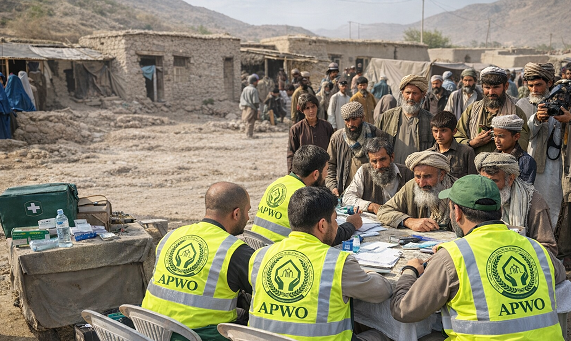
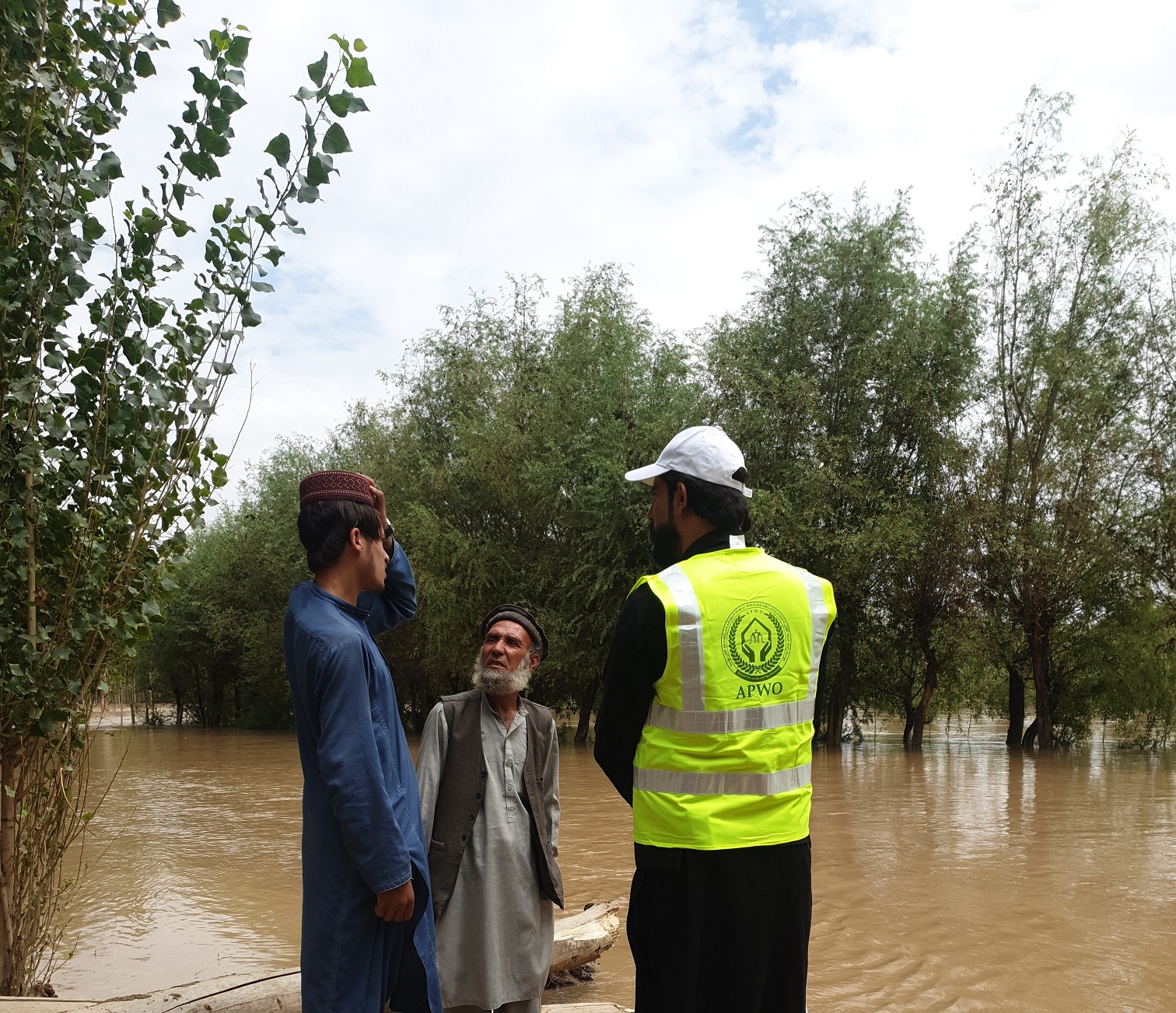
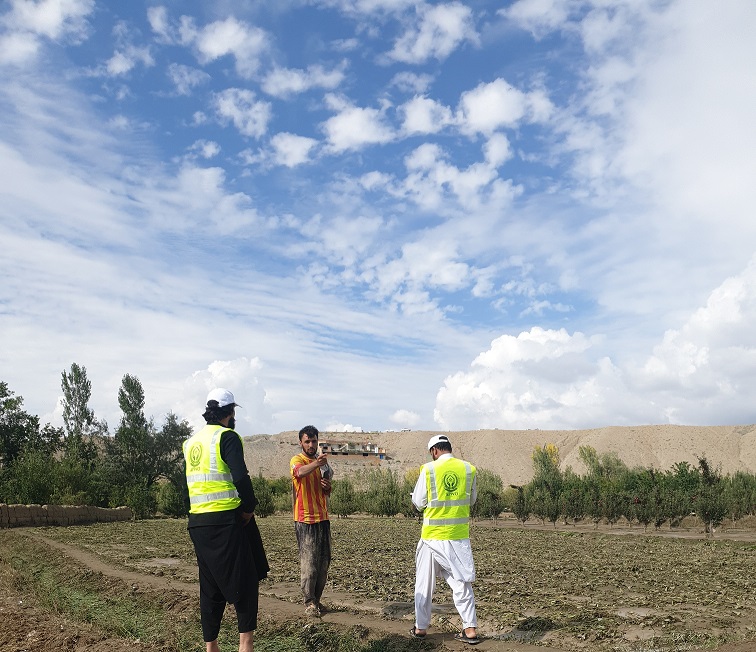
A visual record of APWO's programs and interventions across Afghanistan — from emergency response to community development.
Add your photos to the assets/images/gallery/ folder to display them here.
APWO has built enduring partnerships rooted in shared humanitarian values with a diverse range of international organizations and donors.
| Coordination Body | Role |
|---|---|
| Food Security & Agriculture Cluster (FSAC) | Member |
| WASH Cluster | Member |
| Education Cluster | Member |
| Health and Nutrition Clusters | Member |
| Emergency Shelter / NFI Cluster | Member |
| Protection Cluster | Member |
| Humanitarian Access Group (HAG) | Participant |
| Regional Humanitarian Team (RHT) | Participant |
| Afghan NGOs Coordination Bureau (ANCB) | Member |
| Civil Society Joint Working Group (CS-JWG) | Member |
APWO is committed to responsible financial stewardship and maintains robust cost management and control mechanisms at both the organizational and individual project levels.
Detailed project budgets developed in compliance with donor requirements and organizational policies, with regular monitoring of expenditure against approved budgets.
The management team conducts monthly financial reviews, including budget variance analysis, to ensure expenditures remain within approved limits and aligned with program objectives.
Regular internal audits conducted to verify compliance with financial policies, donor regulations, and applicable laws, identifying areas for improvement and ensuring accountability.
APWO's financial statements are subject to independent external audits as required by donors and regulatory authorities.
Systematic monitoring of all projects is conducted to track progress, identify challenges, and ensure timely corrective action.
Comprehensive monthly progress and financial reports prepared for each project, providing management and donors with up-to-date information on implementation status and financial performance.
Effective contract administration and follow-up procedures ensure all contractual obligations are met, deliverables are achieved, and resources are utilized efficiently.
APWO follows transparent and competitive procurement procedures in compliance with organizational policies and donor requirements, ensuring value for money and fairness.
APWO commits to the following principles of accountability and has put mechanisms in place to operationalize each one — with particular emphasis on accountability to women, girls, and excluded communities.
Honestly and openly sharing key information about performance, programs, and finances with all stakeholders in accessible and timely ways.
Maintaining a Complaints and Feedback Mechanism (CFM) that enables community members to raise concerns and file complaints safely and confidentially.
Working in genuine partnership, integrating the voices of those affected by our decisions in program design, implementation, and evaluation.
Valuing, respecting, and encouraging diversity. Programs designed sensitively for all community members regardless of gender, ethnicity, or disability.
Achieving measurable impact on poverty, vulnerability, and social injustice. All programs designed with clear, measurable outcomes and rigorous M&E.
Working in mutually beneficial and accountable relationships with a diverse range of partners and allies, based on mutual respect and transparency.
Capturing, using, and sharing organizational knowledge, learning from both good practices and mistakes through after-action reviews and lessons-learned exercises.
Zero-tolerance policy toward sexual exploitation, abuse, and harassment. Comprehensive Code of Conduct applicable to all staff, volunteers, and associated personnel.
Reducing APWO's direct and indirect carbon footprint, integrating environmental sustainability principles across operations and programs for long-term resilience.
We welcome partnerships, donor inquiries, and collaboration opportunities. Our team is ready to provide information about our programs, implementation capacity, and geographic reach across Afghanistan.